From Public -Private Passion, a Mosaic Urban Partners Blog:
Helloooo Detroiters, DC residents, and those of you (like me) who want your 3 hours back after watching that snoozer of an Emmy’s show last night…
The Emmy’s #FAIL #SNOOZER could not be saved by Jimmy Kimmel coming on stage
***
“Who’s on First?”
Planning, economic development and neighborhood regeneration in urban cities tends to take a circuitous route over the years. Oftentimes it’s a cycle that always goes back to the same question:
“Who’s on First?”
The iconic “Who’s on First?” routine by Abbott and Costello circa 1938
In other words, which organizations, either public, private or non-profit, will lead the planning, economic development and neighborhood revitalization efforts in the city?
It’s a cycle. Here’s how the cycle usually goes…
Who’s on First? The city, the private sector and non-profits begin to realize that the City needs to upgrade its ability to regenerate neighborhoods. There is a clamoring for more public-private partnerships. But the real question becomes who should lead the upgraded effort. At some point, someone says…
We need a Quasi-Public! A city with good bones but limited internal capacity or overly bureaucratic structures creates quasi-public or non-governmental entities (or funds major non-profits) to execute on real estate development transactions and other public-private partnership activities. I’ve been there personally, having worked for two quasi-public agencies – the Anacostia Waterfront Corporation and the National Capital Revitalization Corporation at different times. Market demand and the private sector applaud the move, and the public and political sector begrudgingly agree or have no say in the matter. And then…
Things Get Done. Things get done!
A Mayor has never met a ribbon cutting they didn’t like!
The quasi public entity or well-funded non-profit, untethered from unnecessary bureaucracy and carrying a lesser burden of political considerations than the government, gets things done. The organizations are inherently transactional, and they push forward project after project, until someone says…
WAIT, Shouldn’t We Have a Plan? Someone decides that a potpourri of successful projects isn’t the best way to build neighborhoods or a city. There should be a plan that governs all of the activities. There should be an investment strategy that is implementing a longer term vision for that neighborhood or city. If enough people agree that there should be a plan and a strategy, the next question becomes…
Who’s on First? There’s a fight among the public, quasi-public and non-profit entities as to which of them should be the organization overseeing the planning effort. Each of them have some validity in their argument. I would argue that the local government (i.e. a government agency) must play an important if not leading role in the planning of the city and its neighborhoods since City government will always be — once it gets its act together – the water carrier keeping the vision alive going forward. Usually but not always, the City’s Planning Department wins and then…
Things Get Planned. The planning process starts and finishes. Communities are engaged, stakeholders hold their stakes (ever wonder who made up the term “stakeholder”? The term makes no sense).
Let’s go talk to stakeholders about our plans.
Been there, done that, bought the t-shirt.
There are whole lot of meetings. Things get planned. But then someone says…
WAIT, Isn’t an Economic Development Plan a Little Different than a Land Use Plan? Someone points out that visionary land use planning is a critical component of an overall economic development strategy, but land use planning is not an economic development strategy by itself. The questions of economic development strategy overlap with, but are not exactly the same, as land use questions: Which industry or industries should the city recruit and retain? Where should those industries be clustered? What jobs will they bring and how will that cities’ residents secure those jobs? What will be the fiscal and economic impacts of the approach? So then the question becomes…
Who’s on First? There’s a fight among the public, quasi-public and non-profit entities as to which of them should be the organization overseeing the effort to create the economic development strategy. Each of the organizations have some validity in their argument. Often there is no clear winner – particularly in larger cities where there are governmental planning departments, economic development departments, well-funded non-profits (often created and funded by private interests), and a Mayor’s office which believes they should have a hand in economic development. In the case of economic development there is real validity to a team approach to economic development since it is a multi-faceted challenge requiring a number of skill-sets and an ongoing allocation of resources. But instead, usually some organization wins and…
An Economic Development Strategy Emerges. A thoughtful vision for economic development emerges that is realistic, implementable and measurable. It is supported by the land use planning work and the community engagement that preceded it. Everybody loves it, and everybody wants to be the organization executing on the economic development strategy. And of course, the question arises…
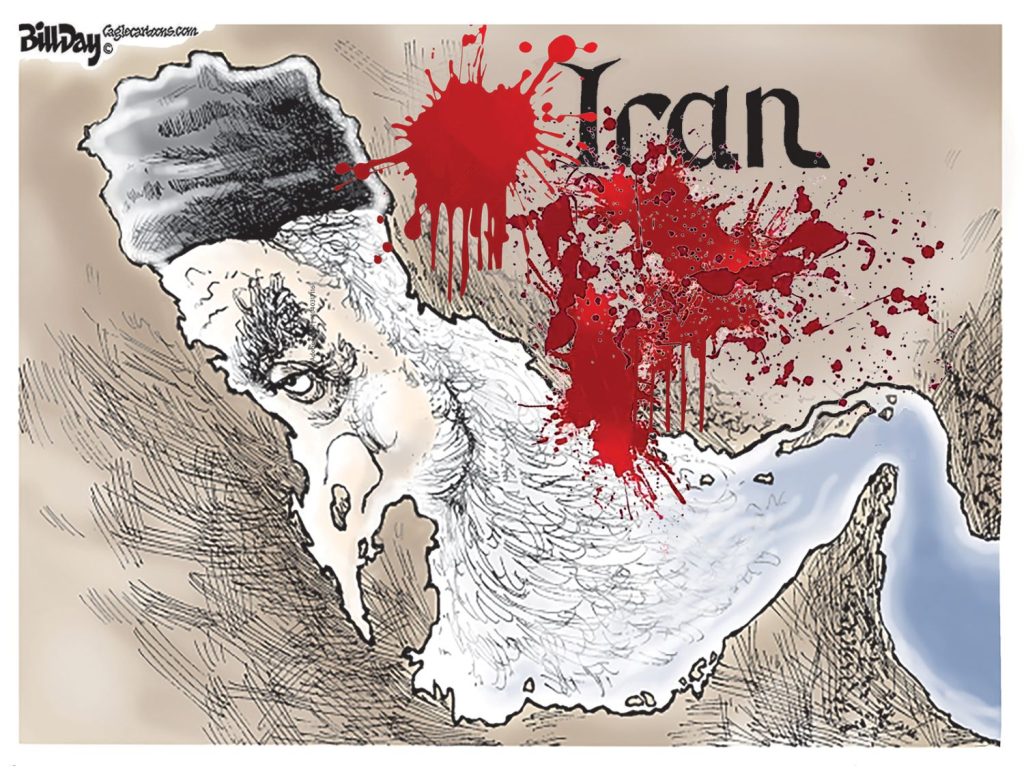
by Bill Day. Memphian Bill Day is two-time winner of the RFK Journalism Award in Cartooning. His cartoons are syndicated internationally by Cagle Cartoons.Cartoons Archive →
Subscribe to Posts via Email
You can get Smart City Memphis posts right in your e-mail box. Just sign up below to begin receiving them.
Search Posts
About Smart City Memphis
Since 2005, this has been Smart City Consulting’s blog with the aim of connecting the dots and providing perspective on issues and policies shaping Memphis. Editor and primary author is Tom Jones, City Journal columnist at Memphis magazine, author of two books and a museum exhibition, and consultant on public policy and strategic planning. He has written articles for MLK50, The Commercial Appeal, and USA Today. The blog was called one of the most intriguing blogs in the U.S. by the Pew Partnership for Civic Change; The (Memphis) Commercial Appeal said it “provides some of the most well-thought-out thinking about Memphis’ past, present, and future you’ll find anywhere,” and the Memphis Flyer said: “This incredibly well-written blog sets out to solve the city’s ills – from the mayor to MATA – with out-of-the-box thinking, fresh approaches to old problems, and new ideas.” If you have questions, submissions, or ideas for posts, please email Tom Jones, at tjones@smartcityconsulting.com.








ファンタジー世界